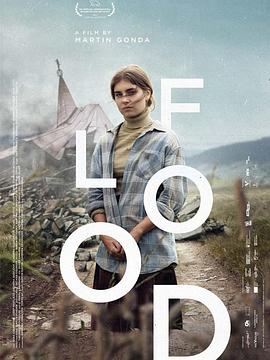
影片详情
洪涌
The film delves into the unexplored theme of the displacement of the Rusyn, an East Slavic ethnic group from the Eastern Carpathians in Central Europe
- 类型
- 剧情片
- 年份
- 2025
- 地区
- 斯洛伐克,捷克,波兰,比利时
- 语言
- 英语
- 导演
- Martin·Gonda
- 主演
- Sára·Chripáková
播放地址
《洪涌》选集
剧情资料
剧情简介
《洪涌》讲述的是什么故事?
《洪涌》The film delves into the unexplored theme of the displacement of the Rusyn, an East Slavic ethnic group from the Eastern Carpathians in Central Europe, during the construction of the Starina reservoir in the 1980s. Set against this tumultuous backdrop, Flood intertwines personal and collective stories, bringing to the forefront the often-overlooked plight of the Rusyn minority in Slovakia. Gonda's film speaks to minorities, individuals who have experienced displacement and young adults through its protagonist, Mara. The story unfolds in a small village, threatened by an impending flood due to the construction of the reservoir. Mara, a young woman yearning for city life and an education, is bound to her rural roots by her strict father, a Rusyn farmer, who refuses to relinquish his land and legacy despite the looming end of their world. Flood explores the themes of adolescence, uprooting and the sacrifice of personal desires for the greater good. The film seeks to elicit reflections on one's roots and the concept of home, as well as the challenges of navigating a disappearing culture and heritage. The Starina reservoir's construction, which lasted from 1981-1988, led to the largest displacement in Slovak history. Gonda's personal connection to the region, having spent his childhood summers there, adds a layer of authenticity and depth to the narrative. The film not only recounts the physical destruction of the seven Rusyn villages, but also captures the emotional and cultural impact of this event on the community. The director aims to present a deeply researched, emotive and intimate story as well as diving into the complex dynamics between personal identity, community ties and the inexorable march of progress. The movie is poised to engage and challenge audiences, fostering a deeper understanding of the often-painful interplay between tradition and modernity.
一、《洪涌》是哪一年上映的?
《洪涌》是Martin·Gonda于2025年拍摄的一部经典剧情片。此片开创斯洛伐克,捷克,波兰,比利时当代剧情片的先河,《洪涌》上映时票房稳坐前三,创下当年纪录。当时Sára·Chripáková均为最佳主角,Sára·Chripáková以精彩演技和突出形象,奠定在斯洛伐克,捷克,波兰,比利时影坛地位。Sára·Chripáková饰演角色造型多年后仍为人所模仿。Martin·Gonda之前曾被人怀疑其能力,而《洪涌》却奠定Martin·Gonda剧情片风格。《洪涌》首映时曾获海外剧情片和媒体广泛称誉,被认为其优秀程度,是足以与同时期(指2025年代)斯洛伐克,捷克,波兰,比利时优秀剧情片齐名。
二、被称为剧情片的开先河之作的《洪涌》,是Martin·Gonda最好的作品吗?
从Martin·Gonda斩获剧情片最佳导演开始,很多观众就觉得这部《洪涌》是他极具代表性的剧情片。虽然Martin·Gonda后来还拍出过评价很好的作品,但是《洪涌》依然常被认为是他剧情片创作中的重要代表。
三、《洪涌》为什么可以成为经典?
提起斯洛伐克,捷克,波兰,比利时,不少观众都会想到《洪涌》的名字。这部由Martin·Gonda导演,Sára·Chripáková主演的《洪涌》,在当时凭借鲜明的人物塑造和紧凑的剧情片叙事获得了不错反响。正是人物命运、情绪推进和故事节奏之间的相互配合,让《洪涌》在同类型作品中具有较高辨识度,也让观众对其中的情节留下深刻印象。
四、如何评价《洪涌》?
《洪涌》口碑表现稳定,深受广大观众喜爱。不仅Sára·Chripáková的表演有看点,而且该剧情片故事情节紧凑,神马电影(wap.987958.com)观看起来流畅,同时还能保持较强的剧情吸引力。虽然不同观众对《洪涌》的评价各有侧重,但该片目前的受欢迎程度已经名列同类作品前茅。
五、《洪涌》剧情片的主要内容
《洪涌》是一部剧情片作品,由导演Martin·Gonda执导,Sára·Chripáková主演。影片围绕主要人物的经历展开,通过人物关系、情节推进和情绪变化,呈现出一段具有观看价值的剧情片故事。
《洪涌》The film delves into the unexplored theme of the displacement of the Rusyn, an East Slavic ethnic group from the Eastern Carpathians in Central Europe, during the construction of the Starina reservoir in the 1980s. Set against this tumultuous backdrop, Flood intertwines personal and collective stories, bringing to the forefront the often-overlooked plight of the Rusyn minority in Slovakia. Gonda's film speaks to minorities, individuals who have experienced displacement and young adults through its protagonist, Mara. The story unfolds in a small village, threatened by an impending flood due to the construction of the reservoir. Mara, a young woman yearning for city life and an education, is bound to her rural roots by her strict father, a Rusyn farmer, who refuses to relinquish his land and legacy despite the looming end of their world. Flood explores the themes of adolescence, uprooting and the sacrifice of personal desires for the greater good. The film seeks to elicit reflections on one's roots and the concept of home, as well as the challenges of navigating a disappearing culture and heritage. The Starina reservoir's construction, which lasted from 1981-1988, led to the largest displacement in Slovak history. Gonda's personal connection to the region, having spent his childhood summers there, adds a layer of authenticity and depth to the narrative. The film not only recounts the physical destruction of the seven Rusyn villages, but also captures the emotional and cultural impact of this event on the community. The director aims to present a deeply researched, emotive and intimate story as well as diving into the complex dynamics between personal identity, community ties and the inexorable march of progress. The movie is poised to engage and challenge audiences, fostering a deeper understanding of the often-painful interplay between tradition and modernity.